FRANCHIR CO., LTD. will be closed from December 30, 2020 to January 3, 2021 for the winter holidays.
We will be back in the office on Monday, January 4, 2021. Thank you very much for your understanding.
Please contact the relevant coordinator if you have any upcoming projects you would like completed over the holiday period.
FRANCHIR CO., LTD. fermera ses portes du 30 décembre 2020 au 3 janvier 2021 pour les vacances d’hiver.
Nous les rouvrirons à partir du 4 janvier 2021. Merci de votre compréhension.
N’hésitez pas à contacter le coordinateur concerné si vous avez le moindre projet que vous souhaiteriez voir achevé avant la fin de l’année.
Franchir vous souhaite un joyeux Noël et de très bonnes fêtes de fin d’année.
Просим обратить внимание, что наша компания будет закрыта с 30 декабря 2020 г. по 3 января 2021 г.
Мы будем снова работать в обычном режиме с 4 января 2021 г.
В случае, если Вы планируете обратиться к нам за оказанием переводческих услуг, которые нужно завершить в период выходных дней компании, просьба обращаться заранее к координатору нужного Вам языка.
Приносим извинения за причиняемые неудобства.
FRANCHIR CO., LTD. se cerrará a partir del 30 de 2020 al 3 de enero 2021 por las vacaciones del invierno.
Volveremos a la oficina el 4 de enero 2021. Le agradecemos por su comprensión.
Por favor no dude ponerse en contacto con el coordinador pertinente en caso de que tenga algún proyecto nuevo que desea ser entregado antes del fin del año.
¡Les deseamos a todos una Feliz Navidad y próspero Año Nuevo!
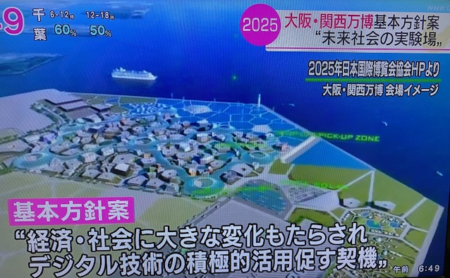
■日本語:いのち輝く未来社会のデザイン
◎英語:Designing Future Society for Our Lives
◎フランス語:Concevoir la société du futur, imaginer notre vie de demain
◎スペイン語:Concebir la sociedad del futuro, imaginar nuestra vida mañana
◎ポルトガル語:Projectando a sociedade futura para as nossas vidas
◎ロシア語:Проектирование общества будущего для наших жизней
◎アラビア語:وضع تصور لمجتمع المستقبل بحياة مشرقة
■日本語:未来社会の実験場
◎英語:People’s Living Lab
◎フランス語:Laboratoire vivant des peuples
◎スペイン語:Laboratorio viviente de la gente
◎ポルトガル語:Laboratório vivo das pessoas
◎ロシア語:Лаборатория общества будущего
◎アラビア語:المختبر الحي لكافة الناس
If you are interested in doing business in Japan, you should definitely learn some Japanese greeting etiquette.
There are variety of Japanese words and expressions used in business situations, such as “Ohayo gozaimasu” (Good morning), “Konnichiwa” (Good afternoon), and “Otsukaresama desu” (Thank you for your hard work).
Some expressions that are commonly used between friends or family should not be used in business settings, which can be a tricky thing to master.
But don’t worry, you are in good hands! This article compiles all the basic Japanese greetings you need to know and explains how to use them. We’ve also made Youtube videos that can be used to practice along!
Franchir provides useful information for foreigners looking to work in Japan or those already working in Japan through our website and our Youtube channel.
① 「おはようございます。」
会社に来たときは、「おはようございます」とあいさつをします。他の社員がきたときも「おはようございます。」と返事をします。家族の間で使う「おはよう」は同僚の間では使えますが、上司に言うと失礼になるので注意しましょう。
“Good morning.”
Say “ohayo gozaimasu” to your colleagues when you get to your office in the morning. When other employees come in, you should greet them with “ohayo gozaimasu.” “Ohayo” is the casual version, used among family members. It can be use among colleagues too, but you should not use it to greet your boss because it is too familiar.
② 「こんにちは。」
ビジネスのシーンでは、よく会うお客様や、ビジネスパートナーに会ったときに使います。よく聞く挨拶ですが、日本人は家族間ではほとんど使いません。
“Good afternoon.”
This is the typical greeting used often, such as when you meet regular clients or business partner in a business setting. People usually do not use it between family members.
③ 「ありがとうございます。」
英語のThank you です。だれにでも使えますが、「ありがとう」だけでは失礼にあたる場合があります。ビジネスのシーンでは、きちんと「ありがとうございます」と最後まで言いましょう。本当に感謝を伝えたいときには「どうもありがとうございます。」と「どうも」を付け加えると気持ちが伝わります。
“Thank you.”
“Arigatou gozaimasu” can be use by and to everyone. “Arigato” is a shorter version and may be rude in certain occasions, so be careful before using it. In business situations, you should always say “arigatou gozaimasu” at the end of a meeting. If you are very thankful, add “doumo” before “arigatou gozaimasu”. This means “thank you very much” and is more polite.
④ 「お疲れ様です。」
外出してきて帰ってきた同僚や上司に言います。
「ご苦労様です。」という言い方は上司に対して使うと失礼になるので間違えないようにしましょう。
“Otsukare sama desu.”
“Otsukare sama desu” is used in many contexts, but roughly means “thank you for your hard work.” For example, use “otsukare sama desu” when a colleague or a superior has gone out to work and came back to the office, to let them know that you acknowledge their hard work. Be careful of the expression “Gokuro sama desu.” It has a similar meaning, but it is only used by a superior to someone under their authority, such as a boss to their worker. The other way around is rude so be aware when you want to use it.
⑤ 「初めまして。」
初めて会う人に使う挨拶です。誰にでもつかえます。
“Nice to meet you.”
“Hajimemashite” is a standard greeting used when you meet someone for the first time.
“(Your company) no (your name) to moushimasu.”
Japanese people use this expression when introducing themselves to a client or a business partner, instead of the usual “watashi no namae ha (name) desu” (“my name is (name)”). This is because it is in humble language, which is preferred in a business situation.
⑦ 「よろしくお願いします。」
「こちらこそよろしくお願いします。」
どんなシーンでもよく聞く言葉です。初めて会うときに言われたら同様に返します。
日本人はミーティングの最後にこの言葉で会議を終えることが多いのですが、この挨拶が交渉事のYESなのかNOなのかわからないから日本人の返事があいまいだという人が多いようです。
“Yoroshiku onegaishimasu.” or “kochira koso yoroshiku onegaishimasu.”
This expression does not have a direct translation, but it roughly means “I look forward to working with you in the future.” This is used often, in a variety of situations. If someone tells you this greeting, you should reply the same way.
Japanese people often end a meeting with this expression. However, in a setting where business negotiations are being carried, this greeting does not specifically state if business will carry on or not. The lack of a straightforward “yes” or “no” is one of the reasons why people say Japanese is an ambiguous language.
⑧ 「すみません」
遅刻しそうになったり、簡単なミスをしたりしたときに使う謝罪の言葉ですが、ただ場所を開けてほしいときや、道を聞くとき、プレゼントをもらった時などにも使います。これをすぐに「I am sorry」と訳してしまうと奇妙に聞こえるかもしれません。
“Sorry.”
This is an apology to use when you have made a small mistake, such as when you know you will be late. You can also use it when you need help, like when you have trouble opening something, or when you need to ask for directions. Japanese people also use this expression when they receive a gift. It may sound strange as it is usually directly translated as “I am sorry”, but the meaning differs depending on the context, and this specific case, it means “thank you.”
⑨ 「申し訳ございません」
「本当に申し訳ございません。」
こちらは深く謝罪するときに使う言葉です。ビジネスシーンでは、お客様のクレームなどに対応するときに使います。「ごめんなさい」「ごめん」はプライベートではつかえますがビジネスシーンでは使わないので注意しましょう。
“I am sorry”, “I am very sorry.”
This form of apology is used for serious mistakes. In a business situation, you should use it when you receive a complaint from a client, for example. “Gomennasai” or “gomen” is another way to apologize, but it should be used only in private and not in business settings.
⑩ 「結構です。」
「よろしくお願いします。」と同様にあいまいな回答です。「お茶はいかがですか?」「結構です。」と言われたらお茶はいらないという意味になりますが、「ご注文はその後いかがでしょうか」と聞いたときに「結構です。」と言われたら、発注してくれるのかしてくれないのか日本人でもわからないときがあります。どうしてもわからないときは確認したほうがいいでしょう。
“No thank you”, “It’s ok.”
This is another ambiguous phrase, just like “yoroshiku onegaishimasu”. For example, if someone asks you “would you like a cup of tea?”, you can reply with “kekko desu” to politely decline. However, the meaning is not always this straightforward. For example, if you ask a client if they will order again later, they might reply with “kekko desu” and you will not know if it means “no, I will not,” or “yes, I will.” In such cases, it is best to confirm with the person you are talking to.
マダガスカル軍が一時的に権力をゆだねられ、マダガスカル軍はアンドリー ラジョエリーナへ権力を移譲しました。
ここにおいてアンドリー ラジョエリーナは、事実上のマダガスカル国家の長となりました。
(Président de la Haute autorité de la Transition et
Chef de l’Etat de facto)
(移行期最高委員会委員長)
今日の用語
■日本語:アメリカ大統領選挙
英語:United States presidential election(US presidential election)
フランス語:élection présidentielle américaine
スペイン語:elecciones presidenciales de Estados Unidos (elecciones presidenciales de EE.UU.)
ロシア語:Президентские выборы в США
中国語:美国总统选举 / 美国总统大选
■日本語:民主党 (バイデンさんの党。党のイメージカラーは青。なので民主党が強い州は「青い州(blue state)」と呼ばれます。今回の選挙でも青がかつか、赤が勝つか、といったイメージが多く報道されていました。日本では立憲民主党(The Constitutional Democratic Party of Japan)を略して民主党と呼ぶことがありますがもちろん別組織です。)
英語:Democratic Party (常に頭文字は大文字)
フランス語:parti démocrate
スペイン語:partido demócrata
ロシア語:Демократическая партия
中国語:民主党
■選挙人団(選挙人538人の集合体。2020年12月14日に投票して最終的な大統領と副大統領が決まります。)
英語:United States electoral college
フランス語:collège électoral des États-Unis
スペイン語:colegio electoral de Estados Unidos
ロシア語:Коллегия выборщиков США
中国語:美国选举人团
■日本語:郵便投票(制度)
英語: vote by mail, mail-in ballot system
フランス語:vote par correspondance
スペイン語:voto por correo, sistema de voto por correo
ロシア語:голосование по почте
中国語:邮寄投票
■日本語:郵送票(投票用紙)
英語:postal ballots, mail-in ballots
フランス語:votes par correspondance
スペイン語:votos por correo, papeletas de voto por correo
ロシア語:почтовые бюллетени
中国語:邮寄选票
■日本語:次期大統領
英語:president-elect (一般的な次期大統領の場合は小文字。「バイデン次期大統領」や「トランプ大統領」のように名前が付くと大文字になります(「President-elect Biden」「President Trump」)。
フランス語:président élu
スペイン語:próximo presidente electo
ロシア語:избранный президент (не вступивший в должность)
中国語:当选总统
■日本語:勝利宣言
英語:declaration of victory
フランス語:discours de victoire
スペイン語:declaración de la victoria
ロシア語:объявление победы
中国語:胜选宣言 / 胜利宣言
■日本語:敗北宣言
英語:concession speech
フランス語:discours de défaite
スペイン語:discurso de aceptación de la derrota
ロシア語:признание поражения (речь кандидата на пост президента, в которой он признаёт своё поражение на выборах и поздравляет своего соперника)
中国語:败选宣言
[貧困] あらゆる場所あらゆる形態の 貧困を終わらせる
◎英語:No poverty
◎フランス語:Pas de pauvreté
◎スペイン語:Fin de la pobreza
◎ロシア語:Ликвидация нищеты
◎中国語:无贫穷
◎アラビア語:القضاء على الفقر
スウェーデン語:Ingen fattigdom
[保健] あらゆる年齢のすべての人々の 健康的な生活を確保し、福祉を促進する
◎英語:Good health and well-being
◎フランス語:Bonne santé et bien-être
◎スペイン語:Salud y bienestar
◎ロシア語:Хорошее здоровье и благополучие
◎中国語:良好健康与福祉
◎アラビア語:
スウェーデン語: God hälsa och välbefinnande
[ジェンダー] ジェンダー平等を達成し、 すべての女性及び女児の エンパワーメントを行う
◎英語:Gender equality
◎フランス語:Égalité entre les sexes
◎スペイン語:Igualdad de género
◎ロシア語:Гендерное равенство
◎中国語:性别平等
◎アラビア語:المساواة بين الجنسين
スウェーデン語:Jämställdhet
[水・衛生] すべての人々の水と衛生の利用可能性と 持続可能な管理を確保する
◎英語:Clean water and sanitation
◎フランス語:Eau propre et assainissement
◎スペイン語:Agua limpia y saneamiento
◎ロシア語:Чистая вода и санитария
◎中国語:清洁饮水和卫生设施
◎アラビア語:المياه النظيفة والنظافة الصحية
スウェーデン語:Rent vatten och sanitet för alla
[エネルギー] すべての人々の、安価かつ信頼できる 持続可能な近代的なエネルギーへの アクセスを確保する
◎英語:Affordable and clean energy
◎フランス語:Énergie propre et d’un coût abordable
◎スペイン語:Energía asequible y no contaminante
◎ロシア語:Недорогостоящая и чистая энергия
◎中国語:经济适用的清洁能源
◎アラビア語:طاقة نظيفة وبأسعار معقولة
スウェーデン語:Hållbar energi för alla
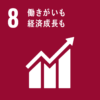
[経済成長と雇用] 包摂的かつ持続可能な経済成長及びすべての 人々の完全かつ生産的な雇用と働きがいのある 人間らしい雇用(ディーセント・ワーク)を促進する
◎英語:Decent work and economic growth
◎フランス語:Travail décent et croissance économique
◎スペイン語:Trabajo decente y crecimiento económico
◎ロシア語:Достойная работа и экономический рост
◎中国語:体面工作和经济增长
◎アラビア語:العمل اللائق ونمو الاقتصاد
スウェーデン語:Anständiga arbetsvillkor och ekonomisk tillväxt
[不平等] 国内及び各国家間の不平等を是正する
◎英語:Reduced inequalities
◎フランス語:Inégalités réduites
◎スペイン語:Reducción de las desigualdades
◎ロシア語:Уменьшение неравенства
◎中国語:减少不平等
◎アラビア語:الحد من أوجه عدم المساواة
スウェーデン語:Minskad ojämlikhet
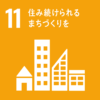
[持続可能な都市] 包摂的で安全かつ強靭(レジリエント)で 持続可能な都市及び人間居住を実現する
◎英語:Sustainable cities and communities
◎フランス語:Villes et communautés durables
◎スペイン語:Ciudades y comunidades sostenibles
◎ロシア語:Устойчивые города и населенные пункты
◎中国語:可持续城市和社区
◎アラビア語:مدن ومجتمعات محلية مستدامة
スウェーデン語:Hållbara städer och samhällen
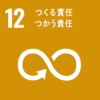
[持続可能な消費と生産] 持続可能な消費生産形態を確保する
◎英語:Responsible consumption and production
◎フランス語:Consommation et production responsables
◎スペイン語:Producción y consumo responsable
◎ロシア語:Ответственное потребление и производство
◎中国語:负责任消费和生产
◎アラビア語:الإنتاج والإستهلاك المستدام
スウェーデン語:Hållbar konsumtion och produktion
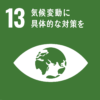
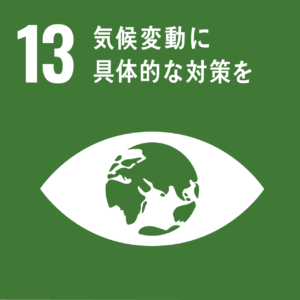
[気候変動] 気候変動及びその影響を軽減するための 緊急対策を講じる
◎英語:Climate action
◎フランス語:Mesures relatives à la lutte contre les changements climatiques
◎スペイン語:Acción por el clima
◎ロシア語:Борьба с изменением климата
◎中国語:气候行动
◎アラビア語:العمل المناخي
スウェーデン語:Bekämpa klimatförändringarna
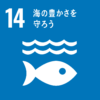
[海洋資源] 持続可能な開発のために、海洋・海洋資源を 保全し、持続可能な形で利用する
◎英語:Life Below Water
◎フランス語:Vie aquatique
◎スペイン語:Vida submarina
◎ロシア語:Сохранение морских экосистем
◎中国語:水下生物
◎アラビア語:الحياة تحت الماء
スウェーデン語:Hav och marina resurser
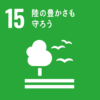
[陸上資源] 陸域生態系の保護、回復、持続可能な利 用の推進、持続可能な森林の経営、砂漠 化への対処ならびに土地の劣化の阻止・ 回復及び生物多様性の損失を阻止する
◎英語:Life on land
◎フランス語:Vie terrestre
◎スペイン語:Vida de ecosistemas terrestres
◎ロシア語:Сохранение экосистем суши
◎中国語:陆地生物
◎アラビア語:الحياة في البر
スウェーデン語:Ekosystem och biologisk mångfald
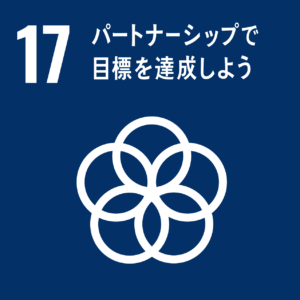
[実施手段] 持続可能な開発のための実施手段を 強化し、グローバル・パートナーシップを 活性化する
◎英語:Partnerships for the goals
◎フランス語:Partenariats pour la realization des objectifs
◎スペイン語:Alianzas para lograr los objetivos
◎ロシア語:Партнерство в интересах устойчивого развития
◎中国語:促进目标实现的伙伴关系
◎アラビア語:الشركات
スウェーデン語:Genomförande och globalt partnerskap
[実施手段] 持続可能な開発のための実施手段を 強化し、グローバル・パートナーシップを 活性化する
■パートナーシップで目標を達成しよう
◎英語:Partnerships for the goals
◎フランス語:Partenariats pour la realization des objectifs
◎スペイン語:Alianzas para lograr los objetivos
◎ロシア語:Партнерство в интересах устойчивого развития
◎中国語:促进目标实现的伙伴关系
◎アラビア語:الشركات
スウェーデン語:Genomförande och globalt partnerskap
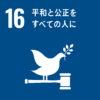
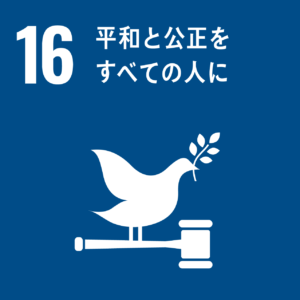
■日本語:平和と公正をすべての人に
◎英語:Peace, justice and strong institutions
◎フランス語:Paix, justice et institutions efficaces
◎スペイン語:Paz, justicia e instituciones sólidas
◎ロシア語:Мир, правосудие и эффективные институты
◎中国語:和平、正义与强大机构
◎アラビア語:السلام والعدل والمؤسسات القوية
◎スウェーデン語:Fredliga och inkluderande samhällen
■日本語:陸の豊かさも守ろう (◎は国連の公用語である6言語)
◎英語:Life on land
◎フランス語:Vie terrestre
◎スペイン語:Vida de ecosistemas terrestres
◎ロシア語:Сохранение экосистем суши
◎中国語:陆地生物
◎アラビア語:الحياة في البر
スウェーデン語:Ekosystem och biologisk mångfald
■日本語:海の豊かさを守ろう (◎は国連の公用語である6言語)
◎英語:Life Below Water
◎フランス語:Vie aquatique
◎スペイン語:Vida submarina
◎ロシア語:Сохранение морских экосистем
◎中国語:水下生物
◎アラビア語:الحياة تحت الماء
スウェーデン語:Hav och marina resurser
[気候変動] 気候変動及びその影響を軽減するための 緊急対策を講じる
■日本語:気候変動に具体的な対策を (◎は国連の公用語である6言語)
◎英語:Climate action
◎フランス語:Mesures relatives à la lutte contre les changements climatiques
◎スペイン語:Acción por el clima
◎ロシア語:Борьба с изменением климата
◎中国語:气候行动
◎アラビア語:العمل المناخي
スウェーデン語:Bekämpa klimatförändringarna





 お問い合わせ