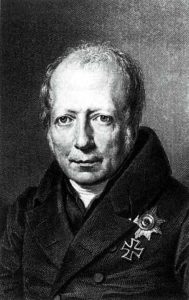
―Edward Fitzgerald ―Ⅺ―
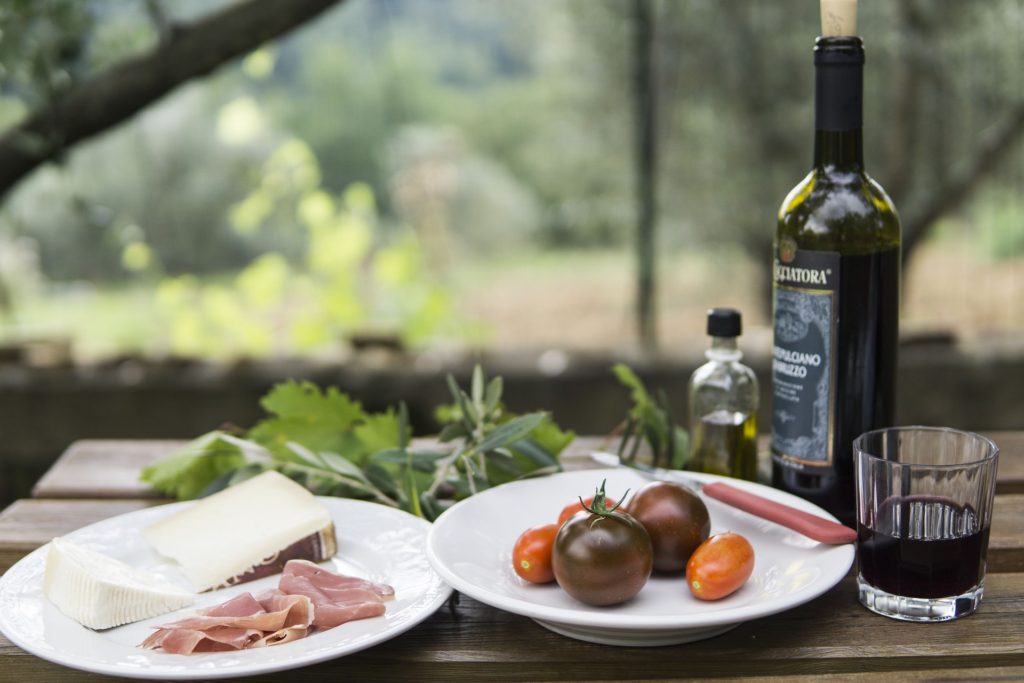
(フィッツジェラルド第十一歌) Here with a Loaf of Bread beneath the Bough, A Flask of Wine, a Book of Verse and Thou Beside me singing in the Wilderness And Wilderness is Paradise enow.
MacCarthy (449) マッカシー版(第449章) Give me a flagon of red wine, a book of Verses, a loaf of bread, and a little idleness. If with such store, I might sit by the dear side in some lonely place, I should deem myself happier than a king in his kingdom.
(私にひと瓶のレッドワインと一冊の詩集とわずかな自由を与えてください。これだけあれば、そしてどこか人気のない場所で、愛する者のそばに座ることができたなら、私はかの王国における王よりも自分を幸せだとみなすでしょう。)
Portmanteau – two meanings packed up into one word
In English the word ‘portmanteau’ originally referred to a type of suitcase that opens into two halves with a hinge in the middle. While this type of suitcase has mostly fallen out of fashion with the popularization of rolling suitcases and modern backpacks, the word portmanteau lives on in the English language as a term for words created from a fusion of two or more existing words and their meanings. (Incidentally, although the word ‘portmanteau’ is a loanword from French, the French equivalent for this linguistic term is ‘mot-valise’, literally meaning ‘suitcase-word’.)
The use of the word portmanteau to refer to these kinds of words started with Lewis Carrol’s Through the Looking Glass, where the character Humpty Dumpty explains the made-up word ‘slithy’ (a combination of ‘lithe’ and ‘slimy’) as “like a portmanteau – there are two meanings packed up into one word”.
Some examples of portmanteau words are:
Brunch = breakfast/lunch
Cosplay = costume/play
Cyborg = cybernetic / organism
Malware = malicious/software
Paralympic Games = paraplegic + Olympic (due to its origins as games for people with spinal injuries)
Smog = smoke/fog
Webinar = web/seminar
There are other types of words that are a combination of two or more words, such as compound words and syllabic abbreviations. What differentiates a portmanteau from a compound word such as ‘seatbelt’ is that while a compound word can be broken back up into separate usable words (‘seat’ and ‘belt’ in this case), this is not possible with a portmanteau since it does not contain all its constituent words in full. For example, breaking up the word ‘brunch’ into ‘br’ and ‘unch’ (or in any other way) does not result in any proper words at all, and although the word ‘play’ in ‘cosplay’ is a word on its own, ‘cos’ is not. (According to some definitions, a true portmanteau word cannot contain any of the full words it is made up of, but ‘cosplay’ is nonetheless frequently mentioned among portmanteau words so it would appear not everyone agrees with this definition).
Syllabic abbreviations on the other hand, are usually defined as abbreviations formed from the initial syllables of multiple words, such as in ‘Interpol’ (International + police).
The word ‘portmanteau’ itself is a combination of the two words ‘port’ (carry) and ‘manteau’ (coat), but since its constituent words are both included in full is not a portmanteau word, but rather a compound word.
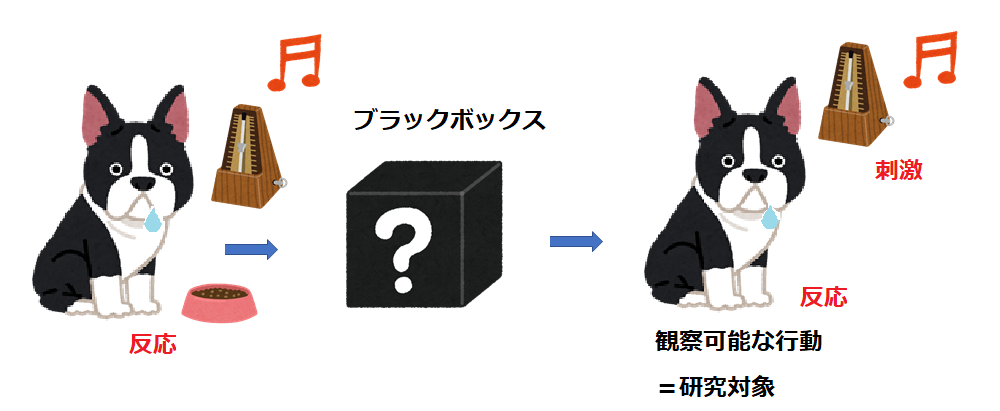
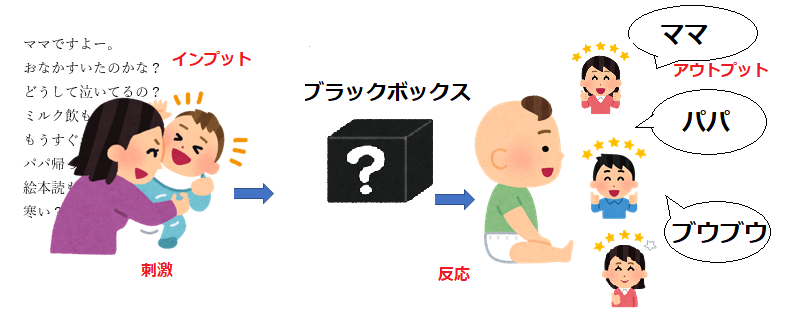
昭和の英語教育。それは「This is a pen.」と先生が言えばそれを繰り返す、という方法がとられていました。何度もカセットなどでネイティブの発音を聞いて、繰り返して言い、なるべくネイティブの発音に近づけていく・・・。そのような繰り返しの学習はオーディオ・リンガル法と呼ばれており、文型練習(パターンプラクティス)をたくさん行うものでした。
(2) 自然順序性仮説(The Natural Order Hypothesis)
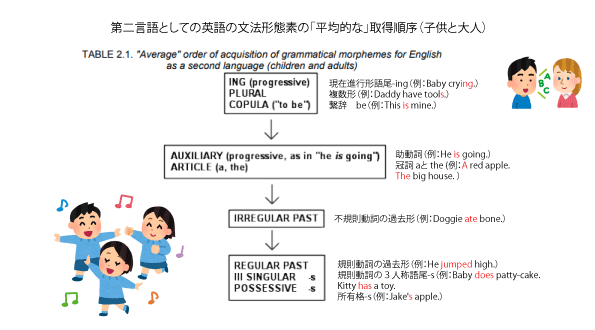
文法構造は大人でも子供でも、どの言語であっても、たとえ教室で教えられる順番が違っていても、習得には一定の順序がある、という仮説です。
アメリカの心理学者、ブラウン(Roger Brown)は、1970年代初め、別々の地域に住む3人の子供が第一言語として英語を習得する様子を分析し、子供の言語習得方法には、特定の文法形態素または機能語から始まる、一定の順序があることを発見しました。たとえば「進行形語尾-ing ( “He is playing baseball”)」と「複数形/s/(”two dogs”)」は最初に習得され、「3人称単数の/s/(as in “He lives in New York”)」や「所有格の/s/(“John’s hat”)」は通常その後6か月から1年後あたりで習得される、というものです。
ブラウンの結果が発表された直後、デュレイとバート(Dulay and Burt(1974、1975))は3つの地域でスペイン語母語話者の子供たちがどうやって英語を習得していくかを研究し、第二言語として英語を習得する子供たちにも、文法形態素の「自然な秩序」があることを発見しました。さらに中国語を母語とする子供の英語習得についても調べ、英語を第二言語として習得する子供たちの習得順序には、英語を第一言語として習得する子たちと比べると順序は異なるものの、共通する順序があるという結論に至りました。この結果は、その後多くの研究者によって確認されました(Kessler and Idar、1977; Fabris、1978; Makino、1980)。
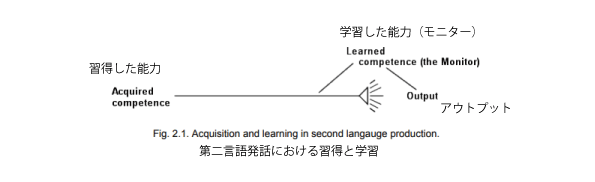
しかも、モニター機能は下の条件がそろわなければ働きません。
① 時間があるとき(文法などにとらわれていると通常の会話ができなくなるし、相手の発話の意味に注意を払えません)
② 言語形式に焦点を合わせるとき(言語の意味に焦点をあてる場合はスピードも速い)
③ 言語の規則を知っているとき(とはいえ学校で教わる文法は全部の文法の一部のみ。とても優秀な学生にだって難しい)
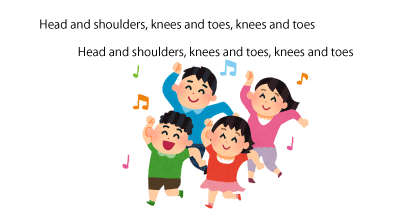
現在日本の小学校でも英語は必須になりました。私の子供(小学生)も文法こそ学ばなくても「Head and shoulders, knees and toes, knees and toes Head and shoulders♪」と歌いながら踊っていたり、「Hello, how are you?」など学校で教えてもらった英語を披露したりしています。歌ったり踊りながら英語を習得していくこの方法は、アメリカの心理学者アッシャー(Asher, J. James)により提唱された「全身反応教授法Total Physical Response(TPR)」によるものですが、これもクラッシェンの提唱したナチュラル・アプローチの流れを汲んでいます。
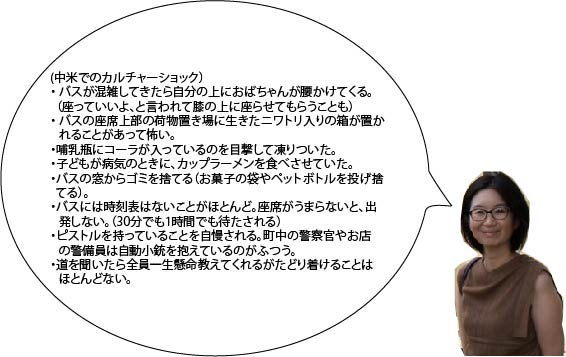
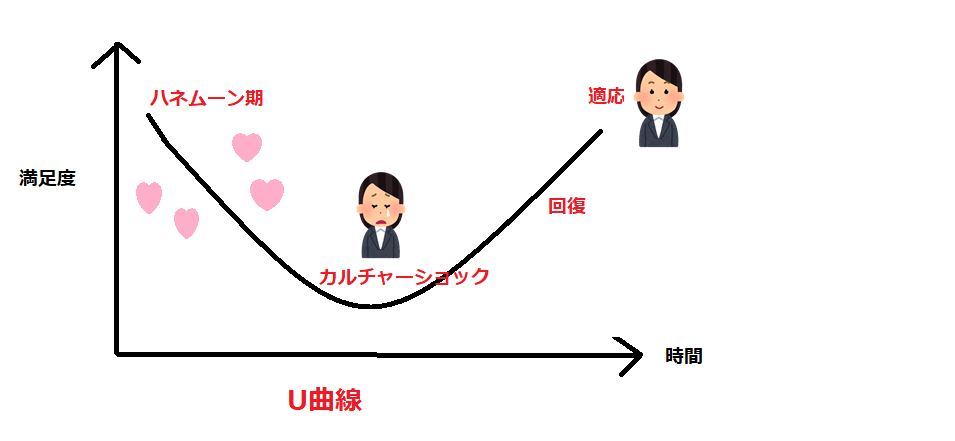
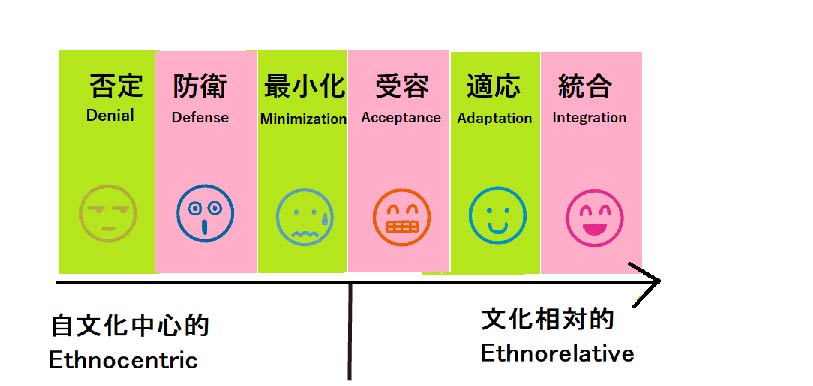
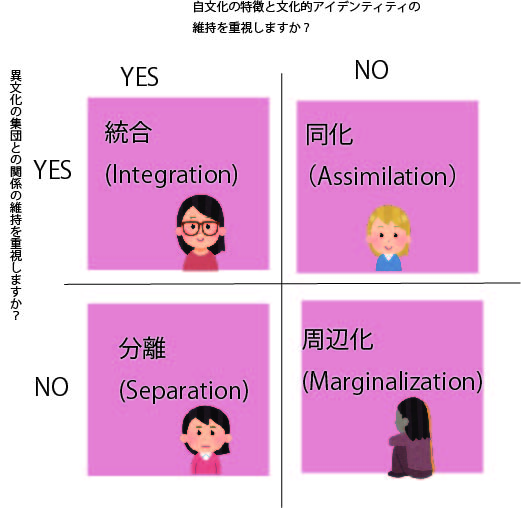
アメリカの社会学者、M.ベネットは、カルチャー・ショックをネガテイプなものとはとらえず、人生における転機、たとえば転勤や転居、結婚といった場合に経験する「ショック]と同じものと捉えました。(異文化感受性発達モデル(Developmental Model of Intercultural Sensitivity (DMIS) 1986年)。
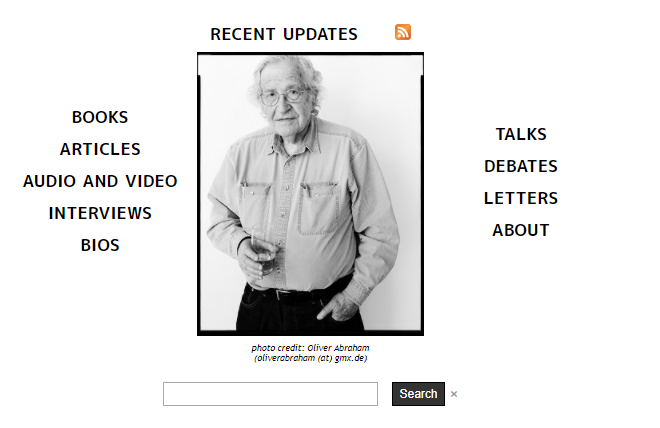
ノーム・チョムスキーは1928年、ウクライナ出身の父とベラルーシ出身の母の間に1928年アメリカのフィラデルフィアで生まれました。現在もマサチューセッツ工科大学の教授です。1950年代の彼の著書 『言語理論の論理構造』(The Logical Structure of Linguistic Theory 1955/1975)や 『文法の構造』(Syntactic Structures 1957)は、当時の言語学に革命をもたらしたと言われています。
そういえば昭和の英語の教科書には「This is a pen. This is a book. This is a pencil.」など繰り返しが多かったですが、2021年現在、中学生の息子の教科書にはそんな表現はほぼでてきません。古い英語の教科書と新しい英語の教科書を比べると意外と(昭和世代の)私たちは行動主義の影響を受けて英語を勉強していたことが分かります。(参考:50年以上前(昭和)の中学英語の教科書から令和時代のものまでを徹底比較! )
長くなりましたが、以上が1950年代にアメリカで主流だった「行動主義」の説明でした。
この主流派に対して、チョムスキーは異論を唱えます。
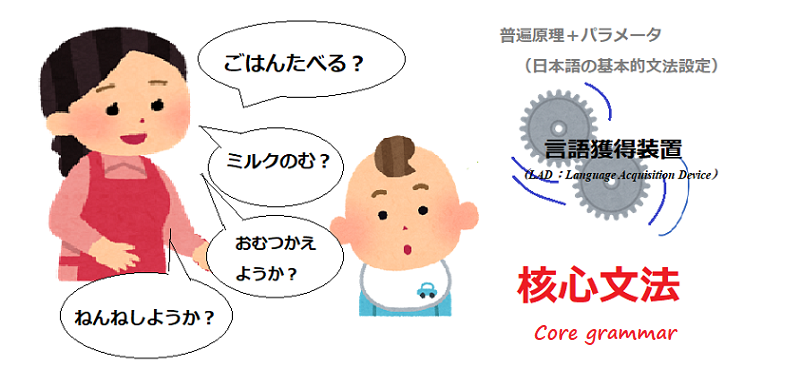
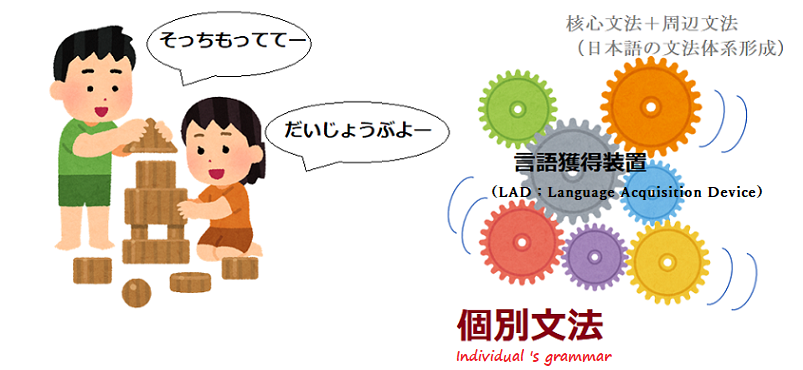
チョムスキーは人間の自主的思考能力、言語能力の生得的側面を強調しました。子供は周囲の人の言葉を聞いて覚えますが、いろいろ言い間違いもします。もし言葉を覚えることが、聞いた言葉を真似することだとしたら、そんな言い間違いは起こらないはずです。大人がいちいち間違いを指摘しなくても、子供はいつの間にか正しい言い方を覚えていきます。そこで「刺激の貧困性(Poverty of the stimulus)」という問題に彼は気づきました。
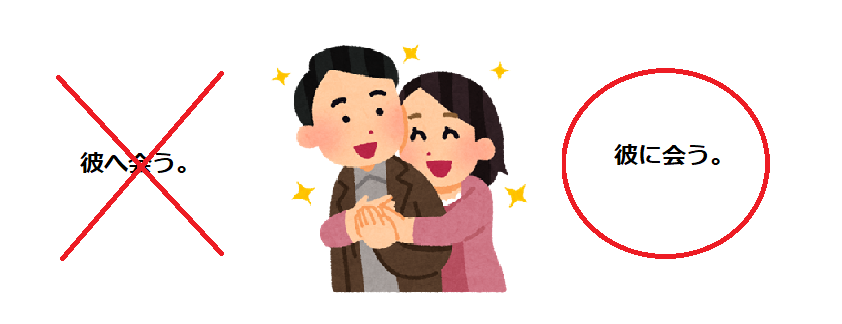
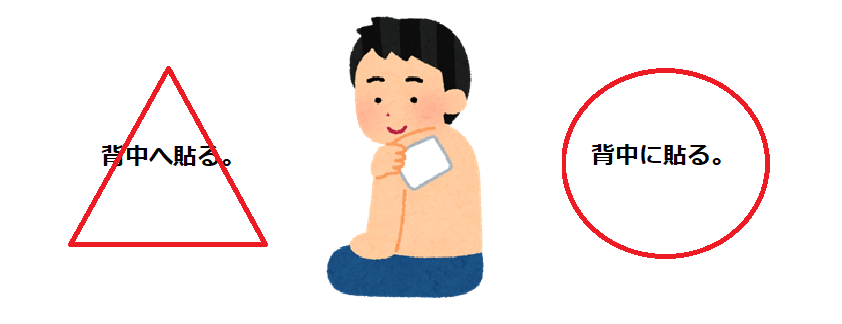
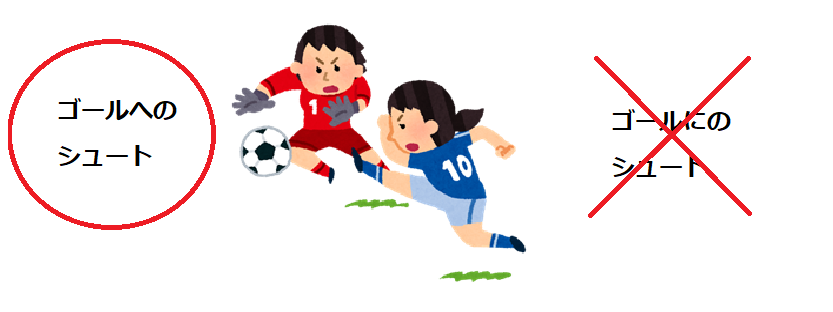
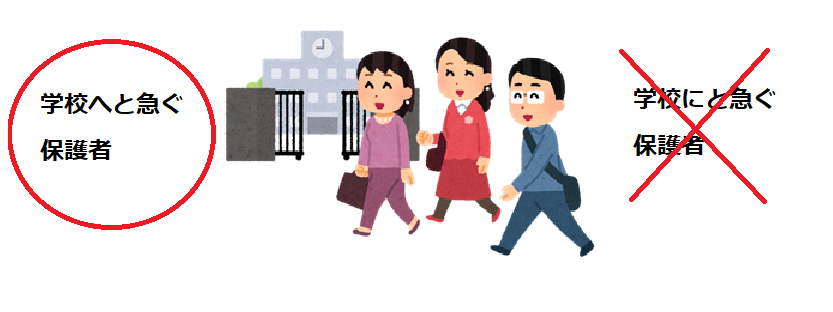
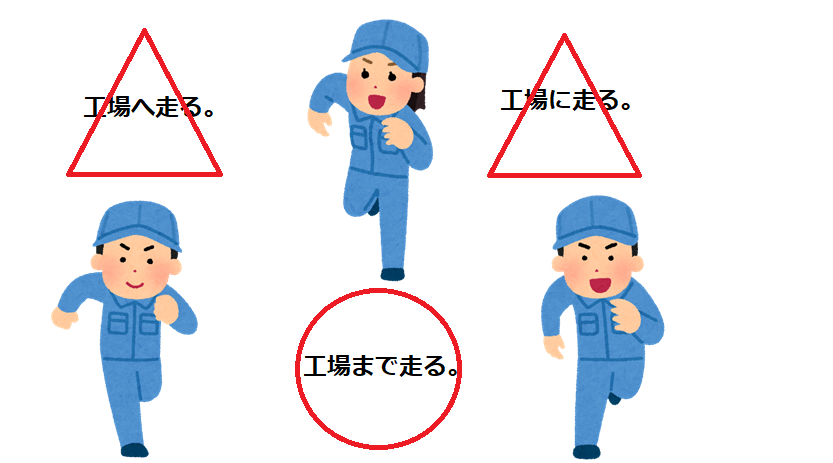
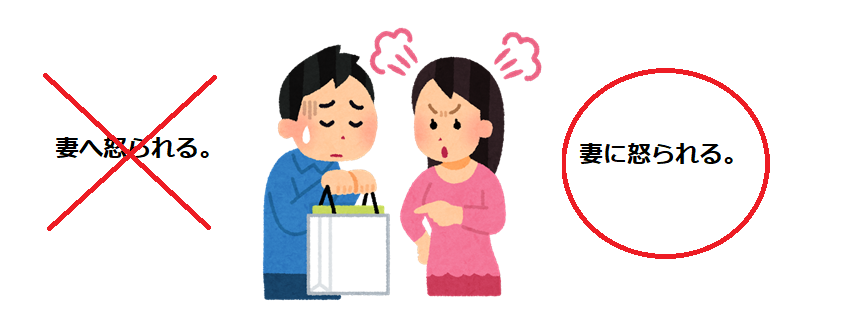
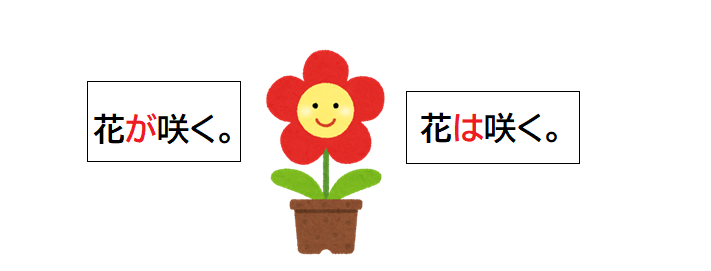
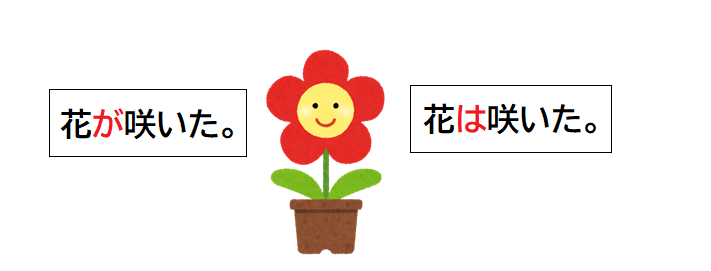
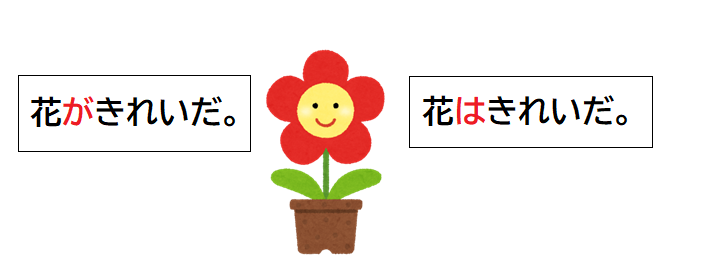
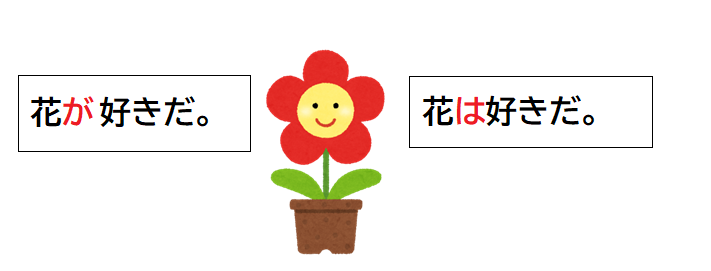
まず最初は日本語の助詞(particle)の種類を知る必要があります。助詞には以下の種類があります。日本語の助詞は例えば英語のat, in, ofなどの前置詞(preposition)とは逆に後ろにつくので後置詞(postposition)と呼ばれることもあるそうです。(そういわれて初めて過去英語で何度も見た「前置詞」の意味がわかったと思ったのは私だけでしょうか。)
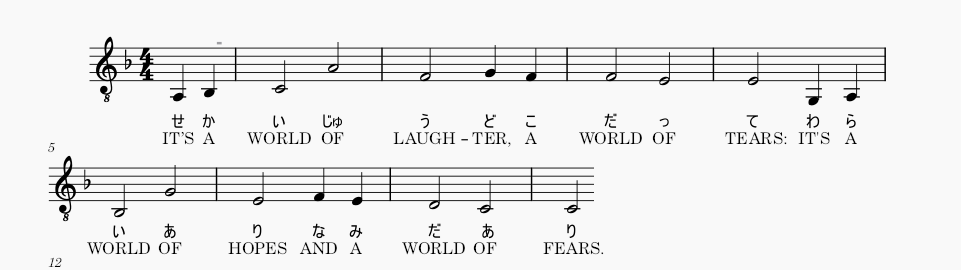
例えば「小さな世界(It’s a small world)」の歌詞を見比べてみると、日本語は拍が音符にのっていますが、英語では音節が音符にのっています。一つの音符に対して子音がたくさんあるので歌いづらく感じるんだと思います(少なくとも私はそう感じます)。また日本語が母音で終わる語が多い開音節なのに対して英語は子音で終わる閉音節の語が多いということも影響していると思えます。
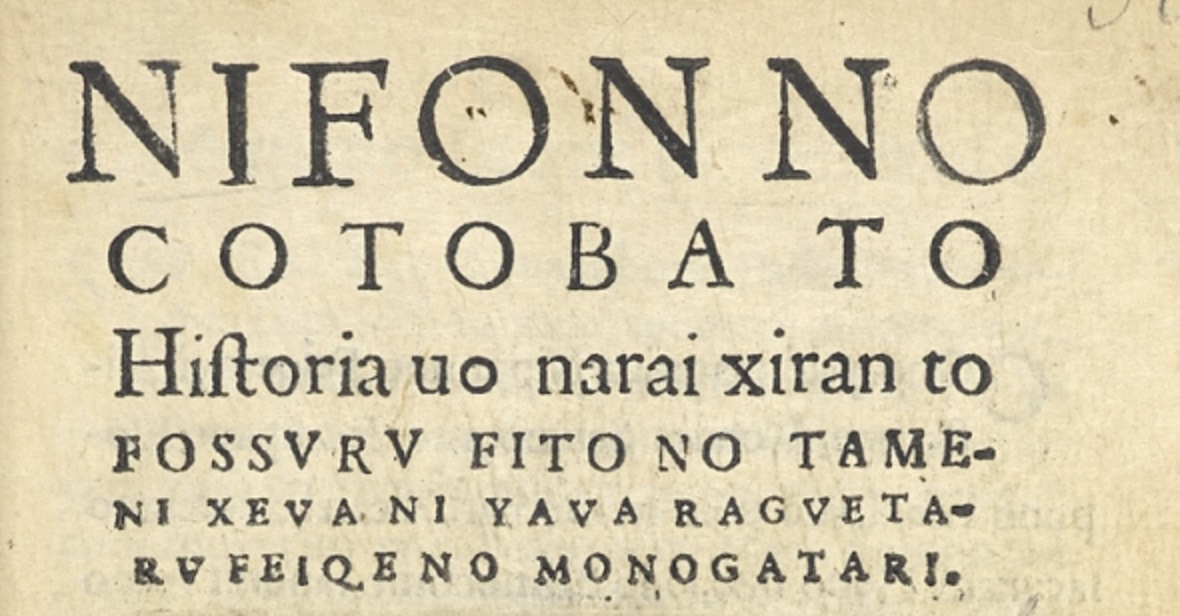
NIFON NO COTOBA TO Hiſtoria uo narai xiran to FOSSVRV FITO NO TAMENI XEVA NI YAVA RAGETARV FEIQE NO MONOGATARI.
(日本のことばとHistoriaを習い知らんと欲する人の為に世話に和らげたる平家の物語。)
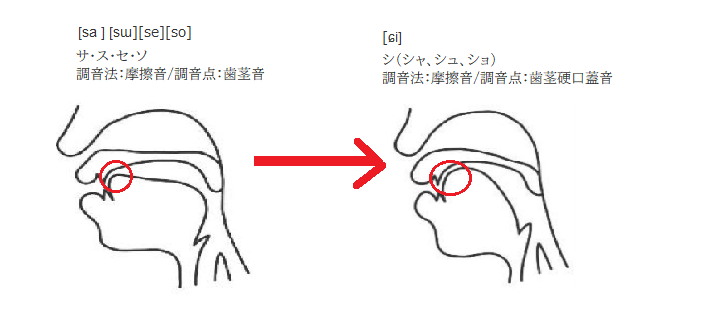
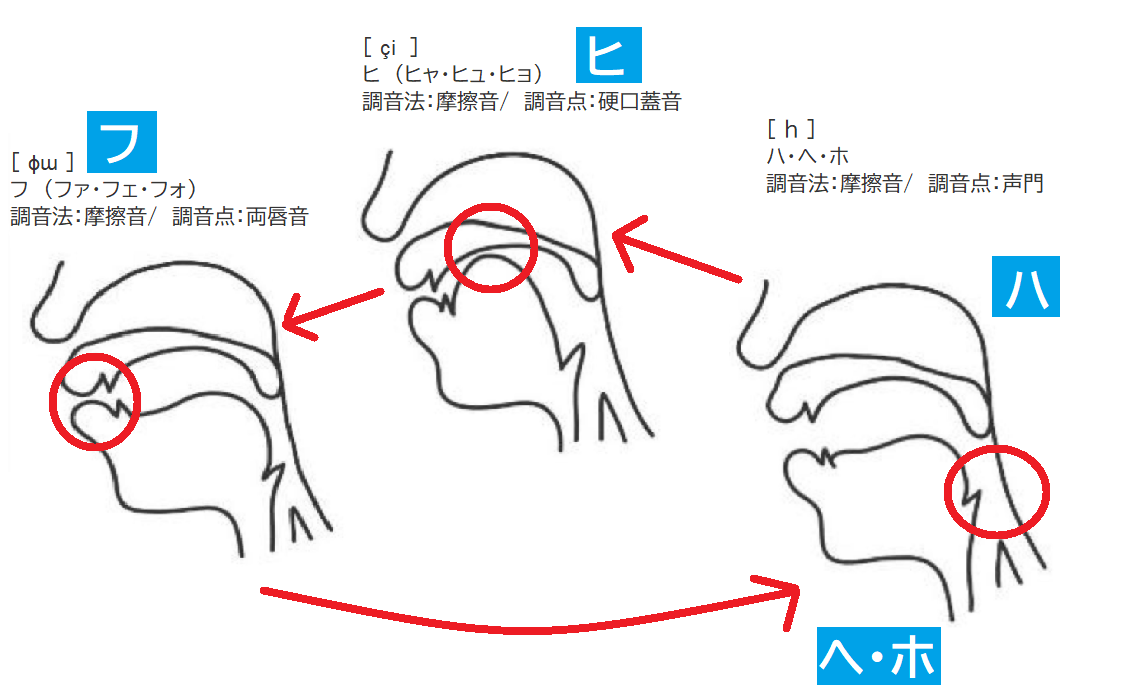
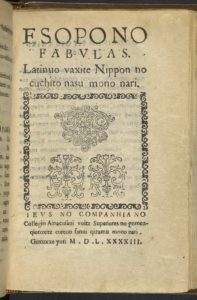
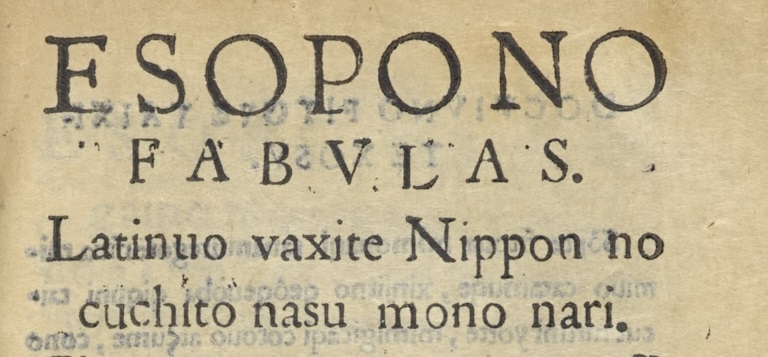
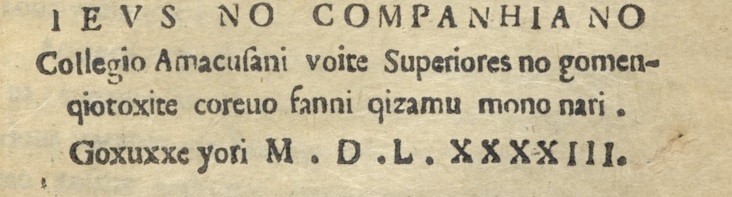
ところで、上の表紙を見て、「平家物語」では「NIFON」『伊曽保物語』では「NIPPON」と書かれていることにもお気づきでしょうか。今でも「日本」の正式な読み方は「ニッポン」でも「二ホン」でもいいそうですが、このころからどっちでも良かったんでしょうか。はたまた[ p ]→[ f ]→[ h ] という唇音退化の途中だったのか・・・。気になりますね。(鍋田)
The flowers bloom. / The flower blooms.
The flowers will bloom. / The flower will bloom.
花が咲いた。
The flowers bloomed./ The flower bloomed.
花が咲いている。
The flowers are blooming./ The flower is blooming.
The flowers are in bloom./ The flower is in bloom.
花が咲いていた。
The flowers were blooming. / The flower was blooming.
The flowers were in bloom. / The flower was in bloom.
花が咲きそうだ。
The flowers are about to bloom. /The flower is about to bloom.
花が咲くかもしれない。
The flowers may bloom. / The flower may bloom.
花が咲いていたかもしれない。
The flowers may have bloomed./The flower may have bloomed.
(フランス語)
花が咲く。
Les fleurs fleurissent. / La fleur fleurit.
Les fleurs fleuriront. / La fleur fleurira.
花が咲いた。
Les fleurs ont fleuri. / La fleur a fleuri.
花が咲いている。
Les fleurs sont en train de fleurir. / La fleur est en train de fleurir.
Les fleurs sont en fleurs. / La fleur est en fleur.
花が咲いていた。
Les fleurs étaient en fleurs. / La fleur était en fleur.
花が咲きそうだ。
Les fleurs sont sur le point de fleurir. / La fleur est sur le point de fleurir.
花が咲くかもしれない。
Les fleurs peuvent fleurir. / La fleur peut fleurir.
花が咲いていたかもしれない。
Les fleurs peuvent avoir fleuri. / La fleur peut avoir fleuri.
日本語では複数か単数かは表現していなくても、英語やフランス語にする場合はそれを決める必要があります。上の表ではthe やla, les などの定冠詞で表していますが、さらに a やune, des のような不定冠詞となる場合もあります。さらに日本語の動詞は基本的に原則動作動詞で、辞書系「咲く」が未来を表します。一般的に「(春には)花が咲く」のような場合は現在形、「(今から)花が咲く」は未来を表します。
It has been 16 years since I first started studying Japanese so I’m afraid I don’t quite remember what kind of study methods we used, but I have tried to answer your questions below:
1) How did you learn and memorize イ-adjectives and ナ-adjectives?
I think we first learned that i-adjectives always end with an ‘i’, and then we just had to memorize any na-adjectives that also end with ‘i’ as a set like “kirei na”, “kirai na”, “yuumei na”, etc.
(2) Do you have any tips on how to remember the conjugation of Japanese verbs? (Did you learn them by singing?)
I don’t remember doing any special exercises for learning conjugation. In the beginning I think we mostly followed the Genki 1 and 2 text books, reading and listening to sample sentences with conjugated verbs.
(3) Please tell me if there are any points that you found difficult in studying Japanese.
I’m not sure if it was the most difficult part, but what took me the longest was probably to build the confidence to speak Japanese. Studying kanji also took a long time.





 お問い合わせ